When Going Premium Feels Like a Betrayal: How to Monetize Without Losing the Fans Who Got You Here
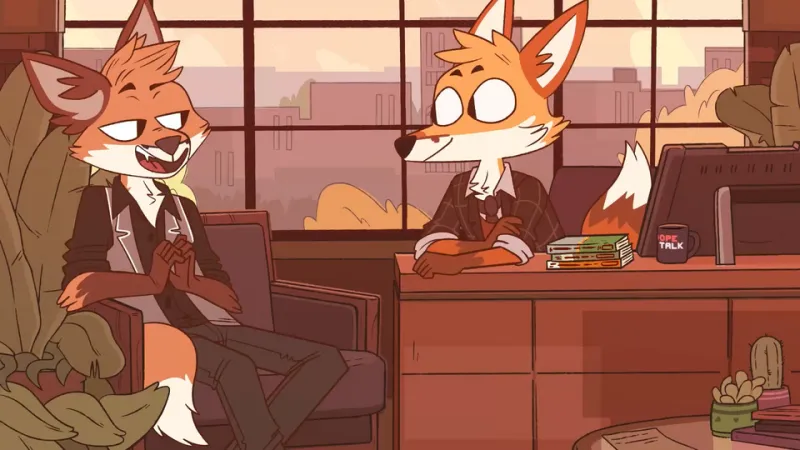
Photo: Ethan Polensky (Cocadope/DopeTalk), CC BY 3.0, via Wikimedia Commons
There's a specific kind of creator panic that doesn't get talked about enough. It's not the panic of a bad launch or a tanking video. It's the panic that hits when you finally do something smart — you build a paid tier, lock some content behind a gate, set up a VIP section on your bio link page — and your comment section fills up with people saying you've sold out.
That sting is real. And it's rooted in something psychologists call the parasocial relationship: the deeply one-sided emotional bond fans develop with creators they follow closely. For your audience, watching your content every week feels like friendship. When you suddenly put a price tag on that connection, it can feel like a friend charging admission to hang out.
But here's the thing — that tension is manageable. Creators who handle it well don't just survive the transition to paid content. They actually deepen fan loyalty through it. The ones who stumble? They usually make the same three mistakes.
Why Fans Feel Betrayed (Even When You've Done Nothing Wrong)
Let's be honest about the psychology first. Your audience didn't sign a contract. They found you, they liked you, and they kept coming back because the content felt personal and free. Over time, that consistency builds something that resembles trust — the kind you'd have with a friend who always shows up.
When a creator introduces a paid layer without context, fans fill in the blanks themselves. And the story they tell is almost never generous. She only cares about money now. He used to be authentic. They changed when the brand deals started.
None of that may be true. But perception is the whole game in creator-land.
A beauty creator with about 280,000 followers — let's call her Mara — launched a $12/month community tier last year without much preamble. She dropped a single story announcing it, linked it in her bio, and assumed her fans would be excited. Within 48 hours, her DMs were flooded with disappointment. A vocal subset of her audience felt blindsided, and one thread calling her out got reposted enough to dent her growth for a solid month.
Contrast that with a fitness creator who spent three weeks before his paid tier launch talking openly about why he was building it. He framed it as a way to go deeper with the people who actually wanted more — not a replacement for his free content, but an extension of it. His launch weekend? He sold out his founding-member spots in 36 hours.
Same product. Completely different framing. Wildly different outcomes.
The Three Mistakes That Trigger the 'You've Changed' Backlash
1. Going quiet before you go premium. Creators often pull back from their free content right before a paid launch — whether to save material for the new tier or just because they're heads-down in the build. To your audience, that silence reads as withdrawal. By the time you reappear with a sales pitch, you've already created emotional distance. Don't go quiet. Go louder on free content right before you launch paid.
2. Making the paywall feel like punishment. If your free content suddenly gets worse the moment you introduce a paid tier, fans notice. The message you're accidentally sending is: pay up, or get the scraps. That's a fast track to resentment. Your free content should stay strong — ideally get stronger — while your paid tier offers something genuinely additive, not just the stuff you used to give away.
3. Skipping the 'why.' This is the big one. Creators who skip explaining their business model leave a vacuum, and audiences fill vacuums with the worst possible interpretation. You don't have to overshare your finances, but you do need to give people a reason that makes sense on a human level. I want to go deeper with this community. I want to be sustainable so I can keep doing this full time. I want to create something that rewards the people who've been here from the start. Any of these land better than silence.
Frameworks That Actually Work
The Velvet Rope Reframe Stop positioning your premium tier as a gate and start positioning it as an inner circle. The language matters enormously. 'Unlock exclusive content' sounds transactional. 'Join the people who go deeper with me' sounds like belonging. Your bio link page is often the first place fans encounter your premium offering — the copy there sets the entire emotional tone. Make it feel like an invitation, not a toll booth.
The Founding Member Window If you're building a paid community or subscription, offer a founding-member rate for a limited time — and explain that the price will go up after the window closes. This creates urgency without pressure, rewards your earliest fans with a better deal, and frames the price increase as a natural progression rather than a cash grab. It also gives you a story to tell: I wanted to give the people who've been here the longest the best deal.
The Transparency Stack Be radically open about what the money does. Not in a begging way — in a matter-of-fact, behind-the-scenes way. Show your audience what a paid tier actually enables: better equipment, more time to create, a team member, a studio. When fans can see that their dollars are going back into the content they love, the transaction stops feeling extractive and starts feeling like a collaboration.
Your Bio Link Is the Moment of Truth
Here's something most creators don't think about: your bio link page is often the first place a fan encounters your premium offering cold. They click over from your profile, and suddenly there's a button that says 'VIP Access' or 'Join My Community.' If there's no context — no copy that explains what they're getting or why it exists — that button looks like a cash grab.
The creators who convert best use their bio link page to tell a micro-story. Two sentences about who the premium tier is for. A line about what makes it different from the free content. A clear, human reason it exists. That's it. You don't need a sales page — you need enough context that clicking feels like a choice, not a shakedown.
The Bottom Line
Fans don't actually hate creators who charge for things. What they hate is feeling like they didn't matter until there was money on the table. The creators who build premium tiers that stick are the ones who make their audience feel like the reason for the offering, not the target of it.
Get that framing right, and the fans who felt closest to you before the paywall become the most enthusiastic members of whatever's behind it. Get it wrong, and you'll spend months rebuilding trust you didn't have to lose in the first place.
Your VIP status isn't just about what you charge. It's about how you make people feel when they decide whether or not to pay.