Too Polished to Be Real: What Happens When Your Brand Outgrows Your Personality
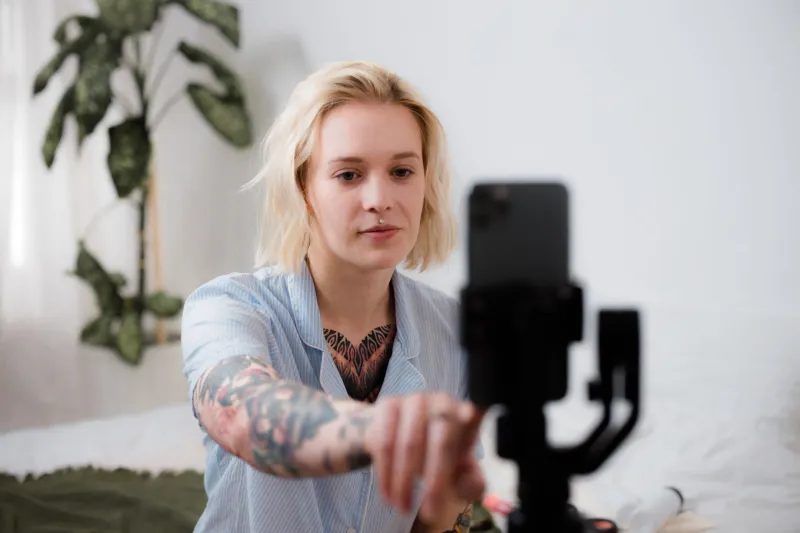
Photo: creator influencer looking overwhelmed surrounded by polished branding materials phone social media, via img.motor-talk.de
There's a moment some creators hit — usually somewhere between their third brand deal and their second link-in-bio redesign — where everything looks incredible and nothing feels right. The palette is cohesive. The offer stack is dialed in. The click-through rates are strong. But DMs start getting colder. Comments get shorter. And somewhere in the analytics, a quiet drop in return visitors tells a story that the revenue dashboard hasn't caught up to yet.
This is the brand collapse. Not the dramatic kind where a creator says something offensive and loses sponsors overnight. The slow kind. The kind where your bio link becomes a beautifully engineered storefront and your audience starts wondering if anyone actually lives there.
When the Machine Runs Too Well
Let's be honest — the whole point of building a premium bio link presence is to make your brand look like it means business. And for most creators, that polish is hard-earned. You spent months figuring out what to offer, how to price it, which tools integrate cleanly, and how to present your VIP content in a way that converts browsers into buyers.
But somewhere in that optimization process, a weird thing can happen. The brand gets so good at performing "you" that the actual you starts feeling redundant.
Creators who've been through this describe it in similar ways. One lifestyle influencer with a following in the mid-six-figure range said her bio link page had become "a vibe board for someone I used to be." She'd built the whole thing around an aesthetic she'd curated two years prior, and while the page still converted, her newest followers — the ones who found her more recently — weren't connecting with her paid content the way her earlier audience had. The brand had stayed frozen while she'd kept moving.
Another creator, a fitness-focused personality out of Atlanta, built an entire tiered membership system off a very specific, very polished persona. When he started posting more casually — real workouts, real meals, real frustration — his engagement spiked. But his premium conversion rate dipped temporarily, because his audience had been sold a version of him that didn't quite match the guy now showing up in Stories.
The Revenue Paradox of Seeming Too Slick
Here's where it gets financially interesting. Conventional wisdom says polish equals profit. A cleaner bio link page, a tighter brand identity, a well-structured content funnel — all of that should mean more money. And in the short term, it usually does.
But creators who over-engineer their personal brand into something impersonal often hit a conversion ceiling that's hard to diagnose from inside the dashboard. The problem isn't the offer. It's the trust gap.
Audiences in 2025 are sophisticated. They've seen enough sponsored content, curated aesthetics, and premium upsells to develop a finely tuned radar for when a creator has become a brand manager for their own persona rather than an actual human being. When that radar goes off, they don't necessarily unfollow. They just stop buying.
The irony is that the creators who tend to earn the most long-term loyalty — and the highest lifetime value per follower — are the ones who use their premium bio link infrastructure as a frame for their real personality, not a replacement for it.
What Rebuilding Actually Looks Like
Several creators who've navigated this have done something counterintuitive: they deliberately introduced friction into their own brand.
Not chaos. Not a teardown. Just visible humanity.
One content creator in the personal finance space — someone who'd built a very sleek, very professional bio link presence complete with a paid newsletter, a course, and a members-only community — started sharing her own financial mistakes publicly. Not as a "relatable content" tactic, but genuinely, in the way she would've talked about it with a friend. Her premium subscription numbers went up within 60 days. Not because the offer changed, but because the person behind the offer became real again.
The key move in most of these comeback stories isn't blowing up the brand infrastructure. The bio link page, the tiered access model, the VIP content hub — all of that stays. What changes is the voice that lives inside it. Captions get less scripted. Behind-the-scenes content gets less staged. The creator stops performing their brand and starts inhabiting it again.
The Authenticity Tax (And Why It's Worth Paying)
Bringing your real self back into a highly polished brand ecosystem does come with short-term costs. Some of it is psychological — it's uncomfortable to be unguarded in a space you've spent months engineering to look airtight. Some of it is practical — a more casual tone can feel inconsistent with premium pricing, at least until your audience adjusts.
But the long-term math tends to favor the reset. Creators who successfully reintegrate their actual personality into their VIP brand report stronger community engagement, lower churn on paid memberships, and better word-of-mouth growth. That last one matters more than most people track — organic referrals from genuinely enthusiastic fans are the highest-converting traffic source most bio link pages will ever see.
The creators who struggle most with this are the ones who built their brand identity entirely around aspiration with no grounding in reality. When every post, every offer, and every touchpoint is designed to project a lifestyle rather than reflect a life, there's no thread for audiences to hold onto when things shift.
What Your Bio Link Should Actually Say About You
At InstaBio VIP, we talk a lot about optimizing your bio link presence for conversions, and that conversation is worth having. But the most underrated optimization any creator can make isn't a button color or a headline tweak — it's making sure the person visitors find when they click through actually resembles the person who shows up everywhere else.
Your bio link page is the front door to your entire creator business. If it's dressed up in a way that doesn't match the interior, people notice the disconnect. And in a creator economy where trust is the actual currency, that gap costs more than any missed affiliate click ever could.
The goal isn't to make your brand look less premium. It's to make sure the premium brand still has a pulse.
Because a beautifully built VIP ecosystem with no one real living inside it isn't a brand. It's just real estate.