Stop Sharing the Spotlight: How Co-Branded Links Are Quietly Draining Your Star Power
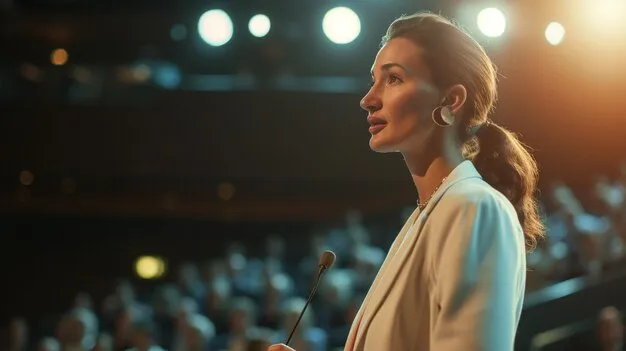
Photo: confident influencer creator standing alone in spotlight on stage personal brand, via img.freepik.com
There's a moment every creator knows. You land a collaboration, a brand partnership, or maybe a management deal, and suddenly someone suggests combining your bio link with theirs. It sounds efficient. It sounds like teamwork. It sounds like growth.
It isn't.
What it actually sounds like — to your audience, your potential sponsors, and anyone who clicks through — is that you're not quite the main event. And in a creator economy where perception is everything, that's a problem you can't afford to ignore.
The Illusion of Synergy
Collaboration culture has done a lot of good for creators. Cross-promotions, joint content, shared audiences — all of that can genuinely accelerate growth. But there's a line between smart collaboration and handing over the keys to your brand's most valuable piece of digital real estate.
Your bio link is the one place on the internet that's supposed to be entirely, unapologetically you. It's your storefront, your portfolio, your pitch deck, and your VIP entrance all rolled into one URL. The second you start splitting that space — whether it's with a collab partner, a brand you're repping, or a management company that wants their name front and center — you're no longer the headline act. You're part of an ensemble, and ensembles don't command the same rates.
Think about it this way: when you walk into a Beyoncé concert, you're not greeted by a shared marquee that reads "Beyoncé ft. Her Entire Management Team." The brand is singular. The authority is concentrated. That's why it converts.
What Shared Links Actually Cost You
Let's talk numbers for a second, because the financial hit here is real.
When your bio link is cluttered with another creator's content, a brand's product catalog, or a management company's roster page, your click-through rate takes a hit. Visitors land on your link expecting your world, and instead they get a shared experience that dilutes their focus. They're not sure whose voice they're following anymore. That confusion translates directly into lower engagement, lower conversions, and ultimately, lower income.
Sponsors notice this too. When a brand is scoping you out for a deal, they're looking at your bio link as a signal of how you run your operation. A clean, branded, singular presence says I'm in control of my audience and my narrative. A cluttered, co-branded link says I'm still figuring out who I am. Guess which creator gets the bigger check.
There's also the psychological cost that doesn't show up in any analytics dashboard. When your digital identity is partially owned by someone else's branding, it subtly shifts how you show up creatively. You start creating content for the collaboration rather than for your community. You second-guess whether a post fits the shared brand. Over time, that friction adds up, and your content suffers for it.
The Management Company Problem
This one deserves its own conversation because it's more common than people talk about.
A lot of rising creators sign management deals and, as part of the arrangement, get asked to route their bio link through a company-managed page. The pitch usually sounds reasonable — they'll handle updates, add affiliate links, optimize everything. Sounds like less work for you, right?
Here's what actually happens: your audience starts associating your link with a company rather than with you. If the relationship ever goes sideways — and in this industry, relationships go sideways — you don't fully own your own digital funnel anymore. Reclaiming it means rebuilding trust with your audience from scratch, explaining why your link changed, and potentially losing the SEO and click history you'd built up.
Your bio link should always live under your brand, full stop. You can work with management, collaborate with other creators, and rep brand partners — all without surrendering control of your primary digital identity.
What VIP Creators Do Instead
The creators who are genuinely building long-term authority aren't abandoning collaboration — they're just doing it smarter.
Instead of co-branding their bio link, they keep their link page as their personal hub and use dedicated landing pages for specific partnerships. A collab with another creator? Great — build a separate landing page for that project and drive traffic there from your stories or posts. A brand deal? Same move. Your bio link stays clean, stays branded, and stays focused on converting your audience into your community.
This approach also gives you incredible leverage in partnership conversations. When you can show a potential collab partner that your bio link consistently drives strong conversion rates because it's focused and trusted by your audience, you're negotiating from a position of strength. You're not just another creator with a messy link page — you're a VIP operator who knows how to protect and monetize their digital presence.
Reclaiming Your Digital Front Door
If you're currently running a co-branded or shared bio link situation, the good news is it's not permanent. Reclaiming your space doesn't have to be dramatic or burn any bridges.
Start by auditing what's actually living in your bio link right now. Ask yourself honestly: does every single element on this page reinforce my brand, or is it serving someone else's agenda? Anything that dilutes your singular identity needs to go — or get moved to a dedicated page.
Next, think about the story your bio link tells in the first three seconds. When someone lands there, do they immediately know whose world they've entered? Do they feel the VIP energy of a creator who's in command of their narrative? Or do they feel like they've walked into a shared office space?
Your bio link is prime real estate in the most competitive market on the internet. You wouldn't split a billboard with your competition — don't split your link with theirs either.
The Bottom Line
Collaboration is a growth tool. Your bio link is a brand asset. Those are two different things, and confusing them is costing creators real money and real authority every single day.
The most successful creators in the US creator economy — the ones landing six-figure brand deals, building loyal communities, and scaling their income without burning out — treat their bio link like a flagship store. It's curated, it's intentional, and it belongs entirely to them.
You're not a supporting player in someone else's story. Stop letting your bio link suggest otherwise.