RIP the Personal Website? Why More Creators Are Letting Their .com Collect Dust
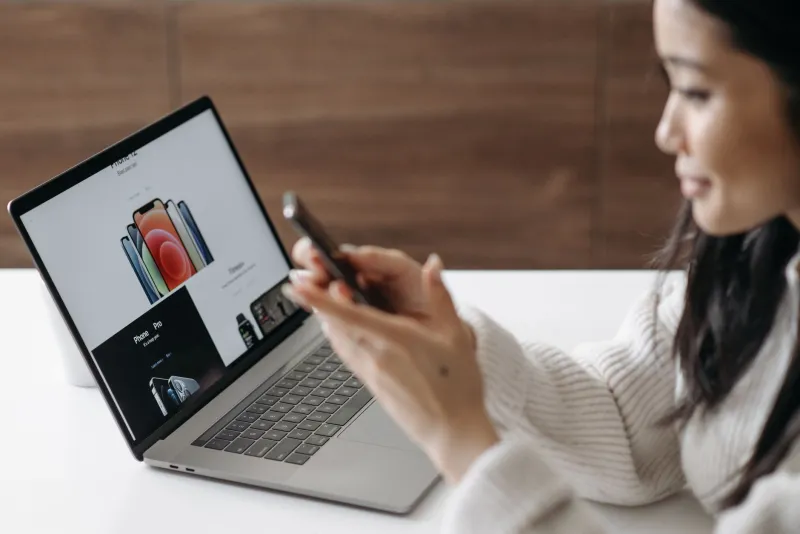
Ask a creator under 30 where their business lives, and chances are they won't say their website. They'll tap their profile. One link. That's the storefront, the business card, the front door, and increasingly, the whole building.
It sounds reckless to anyone who came up through the blog era. But spend five minutes looking at the actual behavior data and the shift starts making sense — with some serious caveats.
The Case for the Bio Link as Home Base
Your audience is on their phone. Full stop. Roughly three-quarters of social traffic in the US arrives via mobile, and traditional websites — even good ones — were built for desktop browsing. A well-designed link page is mobile-native by default. No pinch-and-zoom, no fighting a hamburger menu.
Speed wins. A lean link page loads in a blink. A WordPress install with nine plugins, a theme that hasn't been updated since the last election cycle, and a hero image that weighs more than a sofa? Every second of load time is fans evaporating.
Maintenance is a tax. A traditional site means hosting renewals, software updates, security patches, and the creeping dread that something broke and you won't notice for a month. A link page is closer to a well-organized desk than a property you have to mow.
Conversion lives there. The entire journey — discover on social, tap, decide, buy — happens in one thumb-friendly flow. No context switch, no 'visit my website for more' detour where half your momentum dies.
What You're Actually Trading Away
Now the honest part, because the pro-bio-link crowd tends to skip it.
Search traffic is real traffic. A bio link is essentially invisible to Google. If someone searches 'best sourdough workshop Austin' and you teach exactly that, a link page won't surface. A real site with real content will. If discovery through search matters to your model, ditching your .com is cutting a limb off.
You don't own the rails. Link platforms can change features, pricing, or terms. A self-hosted site is the only truly owned digital asset in the creator economy. Depending entirely on a third-party tool stacks risk on top of the platform risk you already carry with Instagram or TikTok.
Long-term brand equity compounds on a site. Portfolio, press page, long-form writing, case studies — the stuff that lands you brand deals and speaking gigs tends to live on a site, not a link stack. A partner vetting you wants somewhere serious to land.
So Which One Do You Actually Need?
Here's the honest breakdown:
A bio link alone is enough if: your audience discovery is 100% social, your revenue comes from direct offers (memberships, digital products, tips), and you're early or solo. This describes a huge share of working creators, and for them, a traditional site is expensive procrastination.
You need a real website if: search is or could become a meaningful acquisition channel, you're pitching brands who'll vet you, or you're building something meant to outlast any single platform.
The smart middle path: most established creators should run both, with the bio link as the front door and the website as the foundation. Your link page handles the 90% of traffic that taps, scrolls, and buys. Your .com quietly does the SEO work and hosts the deep credibility content for the 10% who want to kick the tires.
The mistake isn't choosing the bio link over the website. It's assuming one has to die for the other to win. Let your link be the party; let your site be the paper trail. That combo is hard to beat.